
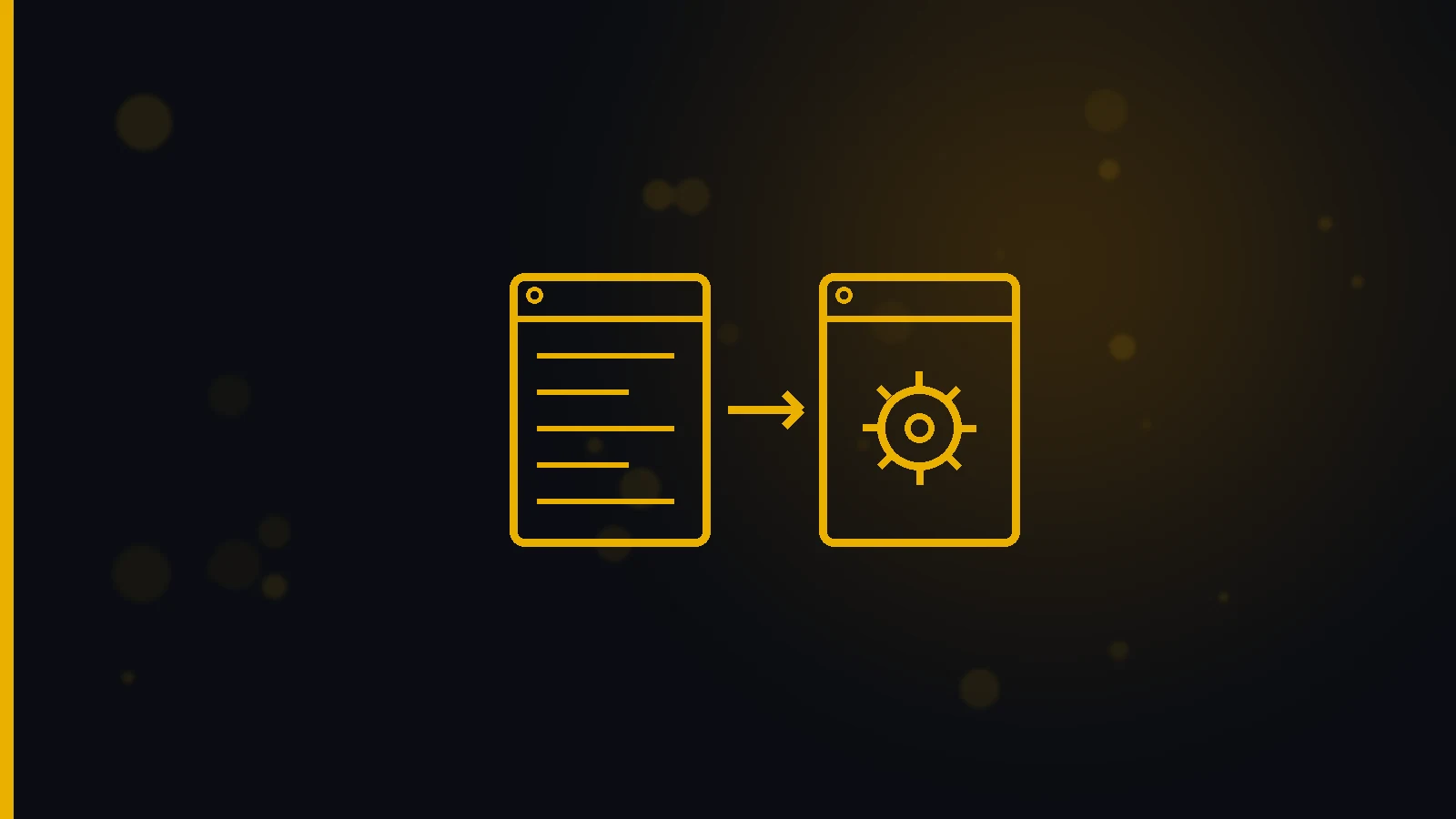
What is a static website?
A static website serves ready-made pages that look the same to every visitor. Think of a digital brochure: your home page, about, services and contact pages sit there, load instantly and rarely change. Modern static sites (built the 2026 way, not the old hand-coded way) are extremely fast, cheap to host and almost impossible to hack because there's no database to attack.
For most small businesses — a clinic, a shop, a consultant, a restaurant showing its menu — a fast static site is exactly right and often the smarter choice.
- Best for: business sites, portfolios, landing pages, brochures
- Pros: very fast, low cost, highly secure, great for SEO
- Limit: no logins, carts or content that changes per user
What is a dynamic website?
A dynamic website builds pages on the fly, usually from a database, and can change what it shows based on who's looking or what they do. Anything with a login, a shopping cart, a search that filters results, a booking system, a dashboard or frequently updated content is dynamic.
Dynamic sites are more powerful but cost more to build and maintain because there's a database and application logic behind them. You should pay for that power only when your business actually needs it.
- Best for: online stores, portals, booking systems, web apps
- Pros: user accounts, live data, personalisation, e-commerce
- Trade-off: costs more to build, host and keep secure
Which one does your business need?
Start from what your site must do, not the label. If you need to show information, build trust and collect enquiries, a fast modern static site is ideal and cheaper. If customers must log in, buy online, book slots or see live data, you need dynamic features. Many businesses use a hybrid: a fast static site with a few dynamic parts (a contact form, a booking widget, a small store) — the best of both.
As a rough 2026 guide in India, a polished static business site typically runs ₹25,000–₹75,000, while a dynamic site with accounts, a store or live data starts higher and scales with features. The right answer is whichever does the job with the least complexity.